
How Arrest Warrants Work in Emery County
An arrest warrant is a court order that lets an officer take a person into custody. Under Utah Code 77-7-5, a magistrate may choose a warrant over a summons when probable cause exists and securing an appearance or protecting safety or property warrants it. Rule 6 then governs the procedure that follows. A public search will not show every affidavit or later order, so the court named in the record is the only place to confirm Emery County warrant status. Treat anything you find online as a lead, not the final word.
Emery County Summons and Warrant Choice
A summons orders a person to appear but does not authorize arrest the way a warrant does. Utah's rule lays out the summons process and also names the circumstances that call for a warrant instead. What happened in your case turns on the facts and the court's order, not on a web page summary. A missed letter has not automatically become an arrest warrant. Check the docket with the issuing Emery County court and ask what appearance instruction is still in effect.
Arrest Warrants: What They Contain
A public case entry may tie a name to a court, case number, charge, issue date, and release instruction. The full warrant or its affidavit may stay private. Emery County publishes no single number format or public sample warrant, so go by the docket, not a guess.
| Case number | No public sample format Ask the court to identify the docket number. |
|---|---|
| Named person | Compare context with your own notice; a name alone is not identity proof. |
| Charge | Read the filed count or offense description in the court record. |
| Issuing court | Names the magistrate or court that entered the order. |
| Release term | Ask the court for current bond or appearance instructions. |
| Date | Check the issue and later event dates with the clerk. |
Emery County Rule 6 Warrant Terms
Utah Rule of Criminal Procedure 6 covers summonses, arrest warrants, service, release conditions, failure to appear, and recall. It ties each warrant to a case and sets the court process that follows service. A sheriff or other officer may serve the warrant, but the issuing judge controls any later order. Read the current Rule 6 text alongside the docket, because a short public label is never the full order in an Emery County case.
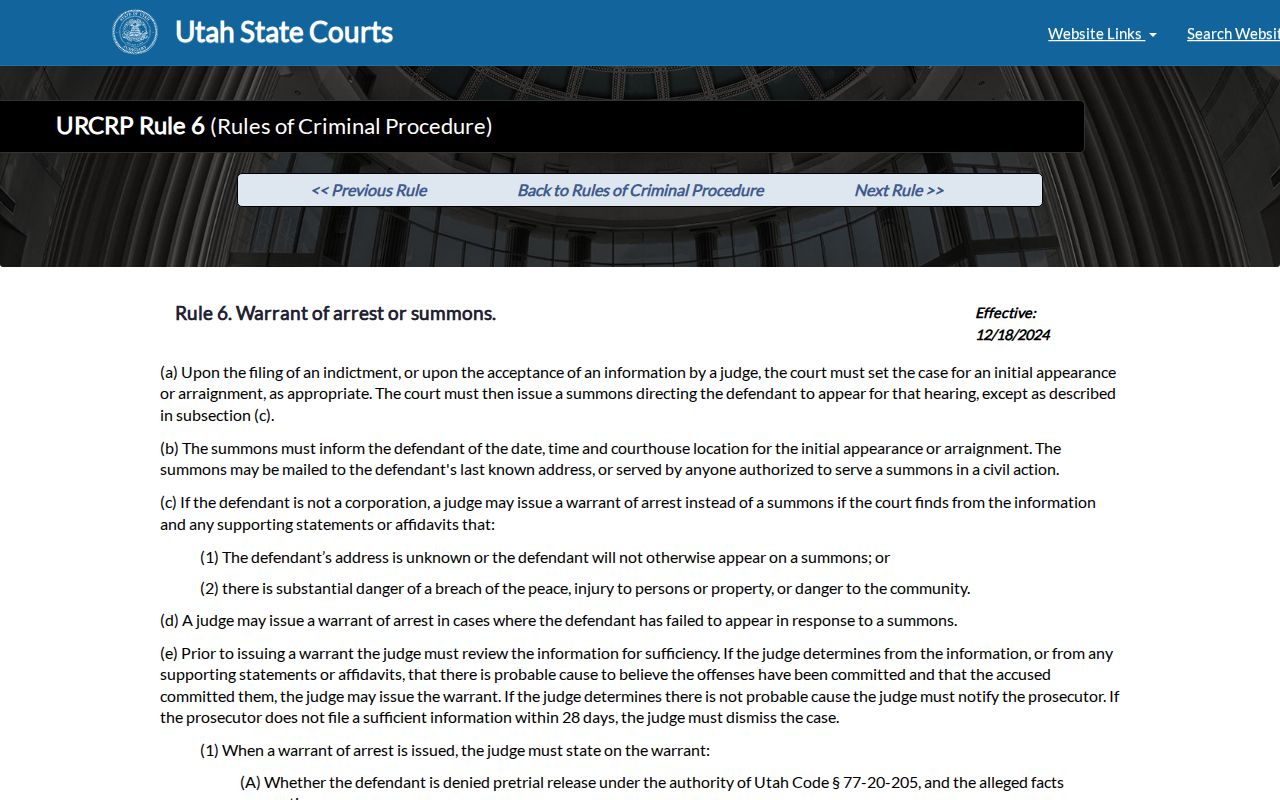
The rule explains procedure; the court file supplies case-specific status.
How Warrants Get Served in Emery County
Utah Rule 6 lets an officer serve a warrant anywhere in the state. The officer does not have to carry a paper copy at all times, but must show it on request as soon as practicable. The Emery County Sheriff's Office may execute warrants, though that role does not make it the issuing court. After service, the case record may show a return or a later hearing date. Emery County publishes no current county bond window or jail payment schedule, so confirm the release route with the court before you travel.
Emery County Arrest Warrant Service
The sheriff's main line, 435-381-2404, routes calls to the agency rather than serving as a dedicated warrant hotline. Ask the issuing court what the current order says and what release steps exist. Emery County posts no public bond-window schedule. A general web result cannot tell you when or where to report. If custody may follow, talk with counsel about a planned appearance and release terms.
Arrest Warrants, Summonses, and Bench Warrants
These court actions are not the same thing. A summons directs a person to appear. An arrest warrant follows probable cause under the applicable rule. A bench warrant usually follows a missed appearance or compliance event in an existing Emery County case. Read the notice and the court record together.
| Feature | Arrest Warrant | Summons | Bench Warrant |
|---|---|---|---|
| What it orders | Custody when legally authorized | Appearance by the stated date | Action on a court obligation |
| Basis | Probable-cause warrant process | Court notice route | Failure to appear or comply |
| Who issues it | Judge or magistrate | Court | Judge handling the case |
| How to respond | Confirm counsel and release process | Follow the appearance instruction | Ask about recall or a new setting |
Federal Warrants Are Separate from Emery County
Utah BCI's public file covers state warrant information only and cannot confirm a federal warrant. Federal case search runs through PACER, and a sealed warrant may never appear in a public docket. The U.S. Marshals Service District of Utah is the federal enforcement office for this state. The PACER national index is the official starting point for locating a federal case, and its landing page carries no person's record at all. Keep any federal question about Emery County separate from county channels.
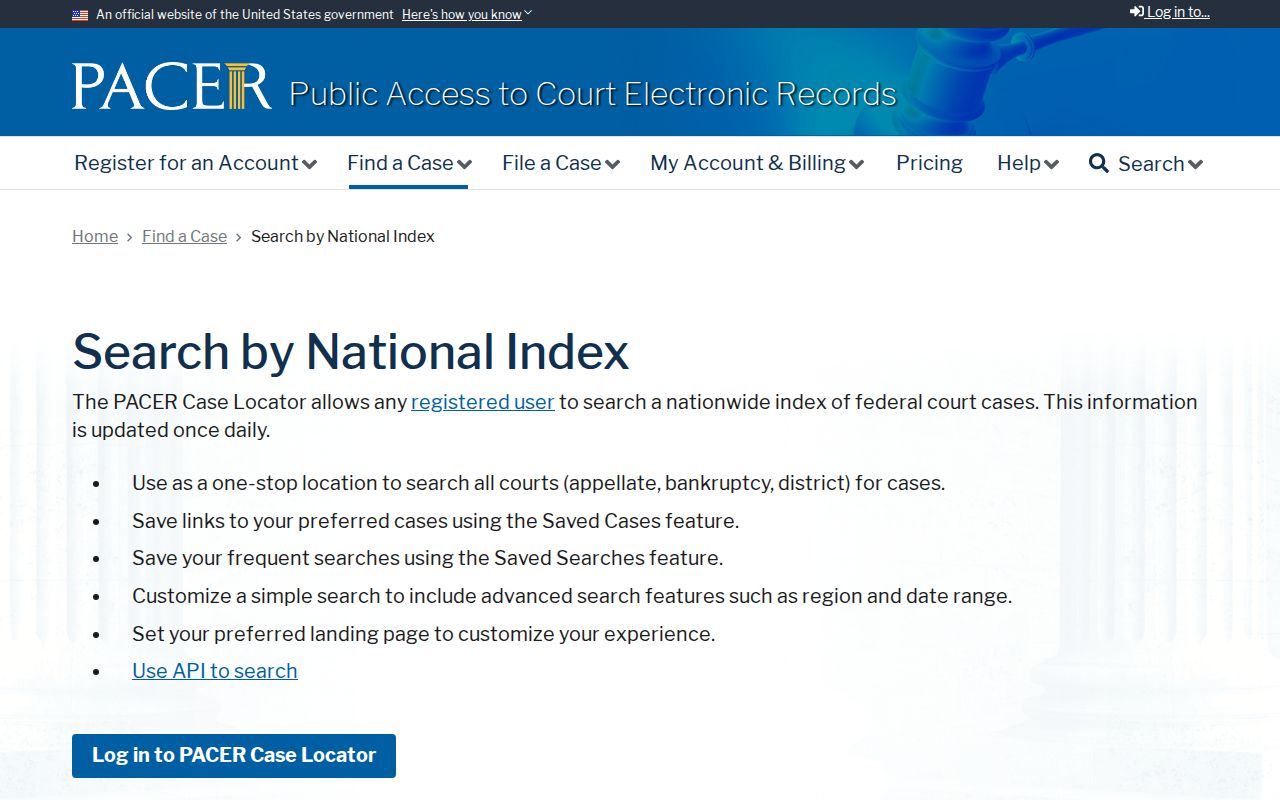
Take a federal question to the federal court or the marshal's office, not the Emery County clerk.
Handling an Arrest Warrant in Your Name
Confirm the court and the current order before choosing an appearance or release step. A lawyer can review the docket and contact the court about recall, bond, or a planned surrender. Never assume a public result sets the bond amount or where a person should report in Emery County.
Important: If arrest or detention may follow, ask counsel about the case and release process before going to an office.
Emery County Sealed Warrant Records
A warrant application or affidavit may be restricted even when other parts of a case stay public. Search warrants follow separate sealing rules under Utah Rule 40, which describes execution, return, and sealing, and juvenile files get added protection under state law. A limited public view cannot answer every question about an investigation. Ask the clerk whether a particular record is public and how to request review. A missing affidavit is not proof that Emery County never issued a warrant.